Loading...
Serving Woodward, OK and surrounding areas. (580) 290-2465
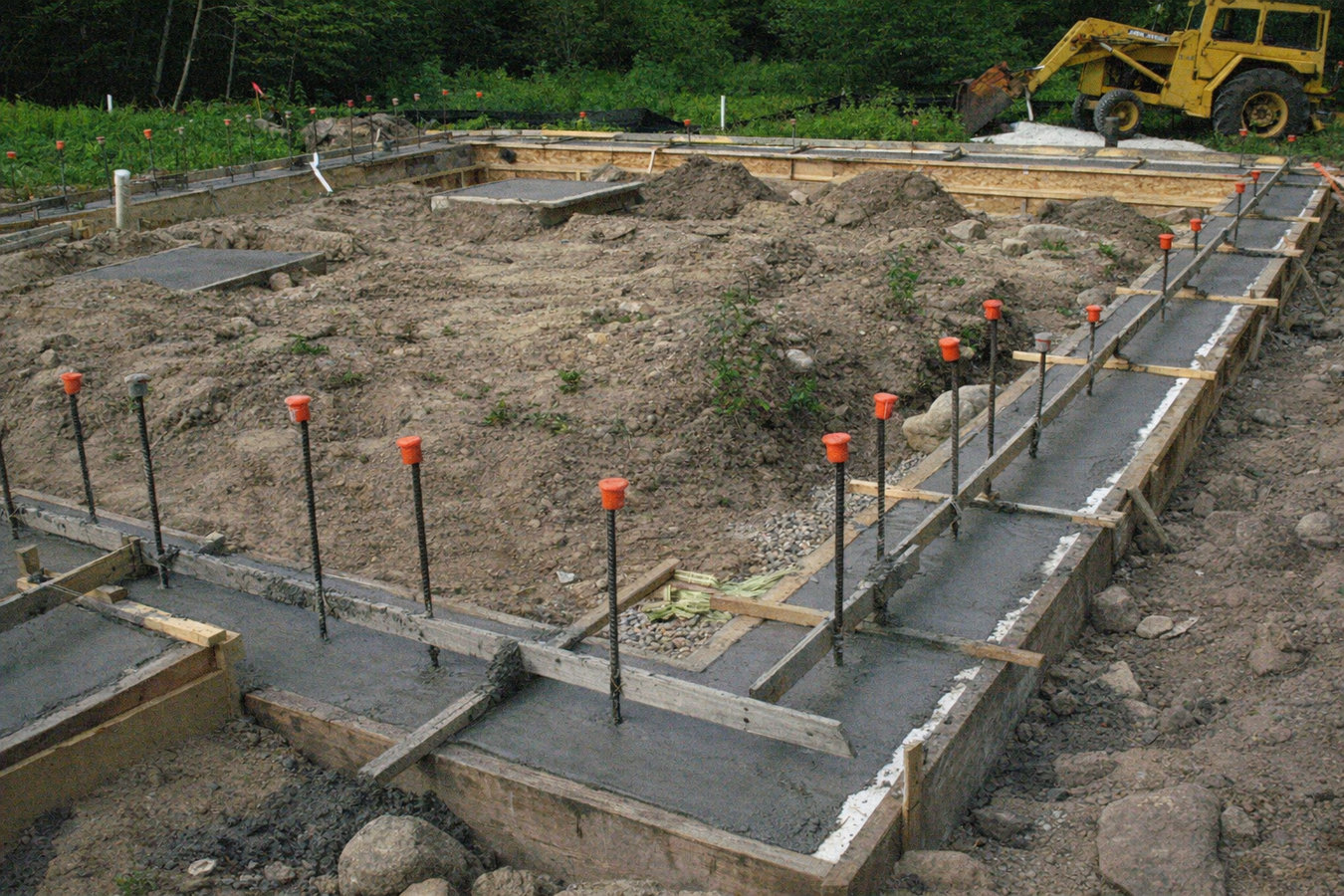
Footings are the part of a project you never see - but they determine whether everything above them stays level for 30 years or starts tilting within five. We pour concrete footings in Woodward that are dug to the right depth, sized for local clay soils, and inspected before the pour.
Concrete footings in Woodward, OK means excavating below the frost line - typically around 18 inches in northwest Oklahoma - setting forms, placing rebar reinforcement, passing a city inspection before the pour, and curing the concrete properly given Woodward's heat and wind conditions - most residential footing projects take one to two days of active work with a three to seven day wait before building on them.
Think of footings as the roots of whatever you are building. They spread the weight of a deck, porch, addition, or garage across the soil so the ground does not shift or sink under the load. In Woodward, where the clay-heavy soil expands with every spring rain and contracts through the dry summer, footings that are too shallow or too narrow will move with that soil - and pull everything built on top of them right along with it.
If your project involves more than just footings, we can coordinate with foundation raising work for an existing structure or with a full foundation installation when a continuous perimeter is what the structure actually needs.
When the ground shifts beneath a structure - which happens regularly in Woodward's clay-heavy soil - footings can move unevenly and cause the walls above to rack. You will often see this first as diagonal cracks spreading from the corners of door frames or window openings. If those cracks are wider than a pencil tip or growing over time, it is worth having a contractor take a look at what is happening below.
If your deck has developed a noticeable lean, or if a porch column looks like it is sinking on one side, the footing underneath may have shifted or deteriorated. In Woodward's climate, freeze-thaw cycles in winter and soil shrinkage in dry summers can both dislodge footings that were not set deep enough. A tilting structure can become unsafe quickly - this is not just a cosmetic issue.
Any time you are adding a deck, a room addition, a carport, a pergola, or a detached garage, you need proper footings before anything goes up. Using surface-level blocks instead of poured footings is one of the most common reasons new structures fail within a few years in this region. If a contractor quotes you a price that does not include footing work, ask specifically how the structure will be supported.
This seasonal pattern is a classic sign of soil movement affecting your home's structure. In Woodward, clay soils swell with spring moisture and shrink back in the dry summer heat, and that movement gets transmitted through the footings into the frame of your house. If your doors and windows behave differently depending on the season, it is worth having the footings evaluated before the problem gets worse.
Every project starts with a free on-site visit where we assess your property, look at what you are building, and evaluate the soil conditions at the dig location. We pull all required City of Woodward building permits before any excavation begins - this is our responsibility, not yours. The crew digs to the depth required by city code and local frost conditions, sets wooden or steel forms to shape the concrete, and places rebar reinforcement inside to give the footing strength against the lateral forces that Woodward's clay soil produces. Before a single yard of concrete is ordered, we schedule the city inspector to verify depth and placement - the concrete does not go in until that inspection is signed off. We use Oklahoma 811 dig-safe notification before any excavation to protect underground utilities - a step required by state law that also protects your yard and our crew.
After the inspection is approved, we pour the concrete and apply appropriate curing protection for the season. In Woodward's summer heat, that means early-morning pours and moisture management during the curing window - because concrete that dries too fast in triple-digit temperatures does not reach its full strength. The American Concrete Institute sets the standards that govern how footings are designed, reinforced, and cured - those are the standards we work to on every project, not a minimum threshold we try to hit.
Best for decks, pergolas, carports, and structures with individual posts - each footing carries one column or post and is dug to the right depth for Woodward soil.
For room additions, garage walls, and structures with perimeter load-bearing walls, a continuous footing trench distributes the weight evenly across Woodward's shifting ground.
Woodward's geology makes footing work genuinely harder than it is in most parts of Oklahoma. The clay-heavy soils in northwest Oklahoma expand when they absorb moisture in spring and contract as they dry through summer - a cycle that happens every year and puts continuous stress on anything anchored in the ground. Footings that are wide enough and deep enough for those conditions stay put through that movement. Footings that were sized for a more stable soil may start to push up or tilt within a few seasons. A contractor who does not mention local soil conditions when you ask about footing sizing is not thinking about your specific situation.
The older housing stock in Woodward creates a second layer of footing work that is unique to this area. Many homes in the city were built in the 1950s, 60s, and 70s on footings designed to standards that did not account for what we now know about this soil. Before any addition or structure gets added to an older Woodward home, those original footings deserve a look. We serve the full service area, including properties in Alva and Waynoka, where the same clay soil conditions and older housing history create the same footing challenges as Woodward itself.
We ask what you are building, where it is going, and what the ground around it looks like. We schedule a free on-site visit within 1 business day - footing depth and sizing decisions require seeing your property and your soil, not just your measurements.
We walk your property, assess the soil conditions, and talk through what you are building and how it will be used. You receive a written estimate covering excavation, forming, rebar, the pour, and permit fees. We pull the City of Woodward permit on your behalf before work begins.
We dig to the required depth below the frost line, set wooden forms, and place rebar reinforcement inside. Before any concrete is poured, a city inspector verifies that depth and layout meet code - this inspection is built into every project we schedule.
Once the inspector approves, we pour and smooth the concrete, then apply curing protection appropriate for Woodward's weather conditions. After the curing window, we confirm the footings are ready for your next phase and walk you through what to expect from the structure above them.
Free on-site estimate. Written quote before any work begins. We pull all permits and schedule the inspection.
(580) 290-2465We hold the licensing required by the Oklahoma Construction Industries Board. You can verify our standing before signing anything, and you have a formal complaint channel if questions arise after the work is done. That matters more on footing work than almost anything else - this is concrete you will never see again.
Woodward sits on shrink-swell clay soils that expand in wet springs and contract in dry summers. We size footings wider and deeper than the bare minimum to account for that movement - and we ask about your specific soil before finalizing the design. A footing that works in sandy soil may crack here within a few seasons.
We pull the required City of Woodward building permit on your behalf and schedule the pre-pour inspection as a normal part of the job - not an afterthought. That inspection means a neutral third party confirms the depth and placement are correct before the concrete is poured and buried forever.
Many homes in Woodward were built before 1980 on footings designed to older standards. We assess existing footings before recommending new ones alongside them - because adding to an older home without checking what is already there is how expensive problems get created.
Footing work is the one part of any construction project that has to be right before everything else can proceed. Getting the licensing, the soil assessment, the permit, the inspection, and the curing right on the front end is what makes everything that goes on top of those footings worth building.
When existing footings have already allowed a structure to settle, foundation raising addresses the movement and restores level before more serious damage occurs.
Learn MoreFor projects that go beyond individual footings, a complete foundation installation provides the continuous perimeter support that larger structures in Woodward's soil require.
Learn MoreSpring is the best window for footing work in northwest Oklahoma - reach out now before the summer heat makes outdoor concrete work harder to schedule.